| Od : | |
|---|---|
| Pre : | |
Slovak language guide
Monday 20 April 2009 | 2230 zobrazení | 0 komentárov Zväčšiť písmo | Zmenšiť písmo | Pridať k obľúbeným | Vytlač stránku | Poslať priateľovi | Rss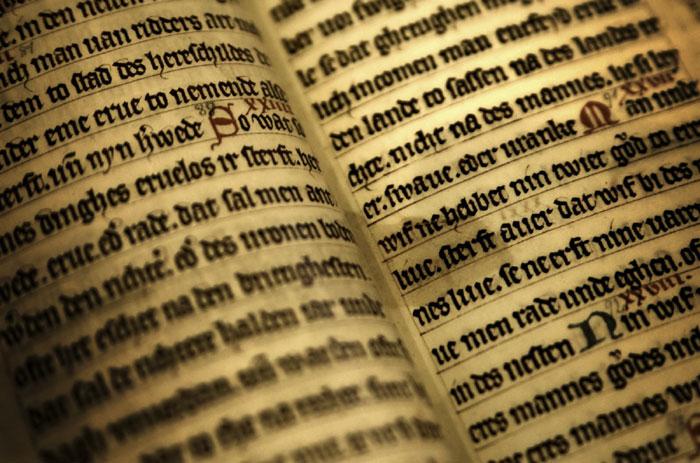
Slovak (slovenčina) is one branch in the Slavic language tree, and Slovaks will insist (we agree) that their language is the cleanest of them all. Regardless, it’s a tough language, laced with conjugations and myriad endings, depending on the case being used. Take heart – more and more Slovaks speak English, German or both. We’ve included a small guide for those brave souls who want to wrestle with the language.
Language (Jazyk) ******* Slovak (slovenčina) is one branch in the Slavic language tree, and Slovaks will insist (we agree) that their language is the cleanest of them all. Regardless, it’s a tough language, laced with conjugations and myriad endings, depending on the case being used. Take heart – more and more Slovaks speak English, German or both. We’ve included a small guide for those brave souls who want to wrestle with the language. Vowels (Samohlásky) ****** Vowels can be either short **(a, ä, e, i, o, u, y)** or long **(á, é, í, ó, ú, ý)**. Long vowels are simply emphasized versions of their short counterparts. **a** short -a- as in “ah” you say to your dentist, e.g. mapa (mapa) map **á** long -a- as in prolonged “ah” to dentist, e.g. dáma (daaa-ma) lady **ä** e- as in bed, e.g. mäso (me-so) meat **e** short -e- as in bet, e.g. teraz (te-raz) now **é** long -e- as in there, e.g. prvé (pr-vee) first **i** short -i- as in graffiti, e.g. pivo (pi-vo) beer **í** long -i- as in need, e.g. víno (veee-no) wine **o** -o- as in log, e.g. okno (ok-no) window **ó** long -o-, like the -a- in talk, e.g. móda (moh-da) fashion **ô** -uo-, like “whoa!” to a horse, e.g. môžem (mwhoa-zhem) I can **u** short -u- as in shoot, e.g. ruka (ru-ka) hand **ú** long -oo- as in school, e.g. údolie (ooo-doh-lye) valley **y,ý** the same as for i, í Consonants (Spoluhlásky) ************ The consonants **b, d, f, g, l, m, n, s, v,** and **z** are pronounced approximately as in English. Meanwhile, **k, p,** and **t** are like in English, but without aspiration. The **"v"** over some consonants softens them. Example: čo, pronounced choh, which means what. To complicate things, **d, n,** and **t** are usually softened when followed by **e** or **i** , becoming **ď, ň** or **ť**. Examples: deti (dye-tyee) children, neviem (nye-vyem) I don’t know. **c** -ts- as in oats, e.g. ocot (otsot) vinegar **č** -ch- as in child, e.g. človek (chlo-vek) man, human being **ď** -dy- as in duty, e.g. ďakujem (dyak-oo-yem) thank you **dz** -ds- as in heads, e.g. medzi (me-dsi) between **dž** -j- as in jam, e.g. džús (juus) juice **ch** -ch- as in the Scottish loch, e.g. chata (cha-ta) cottage **j** -y- as in you, e.g. kraj (kray) region **ľ** -ly- as in lurid, e.g. ľad (lyad) ice **ĺ** long l (no English equivalent) e.g. stĺp (stlllp) pole **ň** -ny- as in news, e.g. deň (dyeny) day **r** rolled like a Spanish r, e.g. ryba (rrri-ba) fish **ŕ** long rolled r, e.g. mŕtvy (mrrrrrrrtvy) dead **š** -sh- as in she, e.g. šesť (shesty) six **ť** -t- as in tune, e.g. dosť (dost) enough **w** -v- as in van (found only in foreign words), e.g. WC (ve-tse) WC **ž** like -s- in pleasure, e.g. žena (zhe-na) woman //In the next issue: Select glossary (numbers and basic phrases)// //Source: The Slovak Spectator// //By Soňa Bellušová, Matthew Evans, Tom Nicholson// //Photo: iStockPhoto//
Pridaj reakciu
Audio/Video
Fotogaléria
Najnovšie


_thumb.jpg)



Rozsiahle plochy posiate slnečnými kolektormi, pod ktorými sa pasú…
viac »
viac noviniek
- Slovak Pronunciation Guide
- Bar Lounge 21
- Reštaurácia Javorský Dvor - Pravá chuť slovenského jedla
- Restaurant 44 - And then After the Party Comes the Real Hunger
- Slovak/English Language and Idiomatic Expressions
- The Slovak Language - History and Its Relations to Other Languages
- Brigand’s Pot
- Va’ Pensiero Di Italia – La Dolce Vita of North London
- Mrs De Winter - Pieces of Pork with a Pear
- Slovak language guide
- Reštaurácia Camouflage
- Jahňací grilovaný chrbát
- The Restaurant „Modrý Dom“ (The Blue House)
- Traja Mušketieri


Najlepšie
Všetky | Turistika | Biznis | Nehnuteľnosti | Komunita | Kultúra | Iné
Národná prírodná pamiatka Važecká jaskyňa je…
viac »

Najčítanejšie
Všetky | Turistika | Biznis | Nehnuteľnosti | Komunita | Kultúra | Iné
During the whole of the summer you can visit numerous musical events in Slovakia.
viac »